What Do Your Nails Say About Your Health?
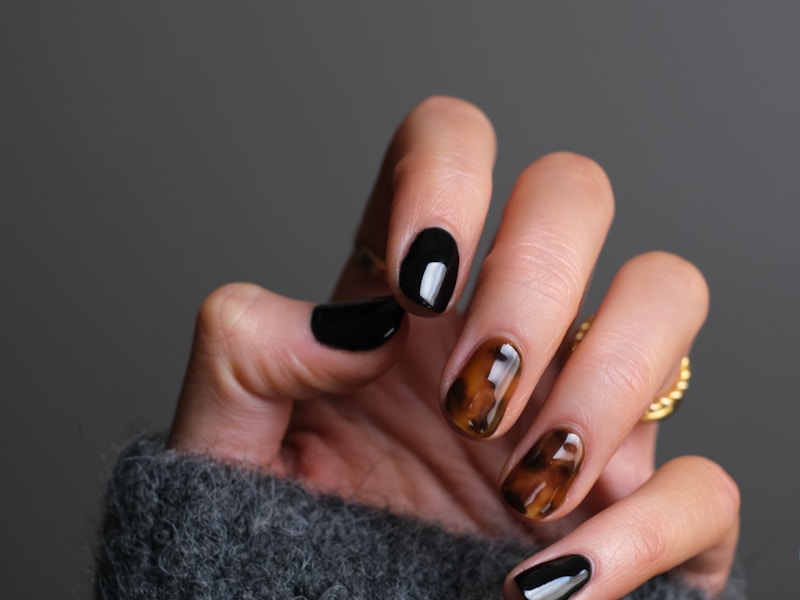
Your fingernails are far more than cosmetic accessories. They are windows into your internal health that dermatologists, internists, and nutritionists have used as diagnostic indicators for centuries. Made primarily of keratin — the same protein that forms your hair and the outer layer of your skin — nails grow from the nail matrix beneath your cuticle at an average rate of approximately 3.5 millimeters per month. This means that the nail visible on your fingertip today reflects your body's nutritional status, hydration level, and overall health from roughly 3-6 months ago.
Modern dermatological research has confirmed what traditional medicine practitioners observed for generations: changes in nail color, texture, shape, thickness, and growth rate frequently correlate with systemic health conditions. A 2019 review in the Cleveland Clinic Journal of Medicine cataloged over 30 distinct nail abnormalities and their associated health conditions, ranging from iron deficiency anemia (koilonychia, or spoon-shaped nails) to thyroid dysfunction (brittle, slow-growing nails) to liver disease (Terry's nails, where most of the nail plate appears white). While many nail changes are benign and related to nutrition or lifestyle factors, some can signal conditions that warrant medical investigation.
The connection between nails and health runs through several biological pathways. Nail growth requires adequate protein intake, iron, zinc, biotin, folate, and vitamins A, C, D, and B12. It depends on healthy blood circulation to the nail matrix, balanced thyroid and hormonal function, adequate hydration, and protection from environmental damage. When any of these factors is compromised, your nails will show it — often before you notice symptoms elsewhere in your body.
Quiz Questions
- Question 1: Look at your bare fingernails right now. What best describes their overall appearance?
- Question 2: How fast do your nails grow?
- Question 3: Do you notice any white spots, discoloration, or unusual marks on your nails?
- Question 4: What is the texture of your nail surface when you run your finger across it?
- Question 5: How would you describe your cuticles?
You Might Also Like
📚 Recommended Reading
⚕️ Medical Disclaimer: This quiz is for educational and self-reflection purposes only. It is not a diagnostic tool and does not replace professional medical advice, diagnosis, or treatment. If you have concerns about your health, please consult a qualified healthcare provider.
Sources & References
This quiz was developed using questions informed by the following research and clinical frameworks:
- Based on established psychological and health research frameworks.
- World Health Organization
- National Institutes of Health
Content prepared by the Fizzty Editorial Team based on published research. Last reviewed: 2026-03-25.
Frequently Asked Questions
Is this quiz accurate?
This quiz uses scenario-based questions grounded in established psychological frameworks. While no online quiz replaces professional assessment, our methodology provides meaningful insights for self-discovery.
How long does this quiz take?
The quiz takes approximately 3-5 minutes to complete. It consists of 10 carefully designed questions. Answer honestly with your gut reaction for the most accurate result.
Can I retake the quiz?
Yes, you can retake the quiz as many times as you like. Your answers may vary depending on your current life circumstances and personal growth.